Explore Hair Growth Oil Types and Uses
Hair growth oil is a broad term for scalp and hair oils marketed to support a healthy-looking routine, nourish dry strands, or improve the feel of the scalp. Products range from single-ingredient oils, such as castor, jojoba, and rosemary-infused oils, to blends made for scalp massage or protective styling. Some formulas are lightweight and suited to fine hair, while richer oils may appeal to textured, coily, or particularly dry hair. Common formats include dropper bottles for targeted application, nozzle bottles for parting the hair, and oils blended with carrier ingredients for easier spreading. Results and experiences vary, and cosmetic oils cannot be assumed to treat hair loss or a medical scalp condition. At Ubuy, shoppers can discover international hair growth oil products and compare different formats and ingredient profiles.
- Single oils and multi-ingredient blends
- Options for scalp, roots, or hair lengths
- Choose a format suited to your routine
Key Ingredients in Scalp and Hair Oils
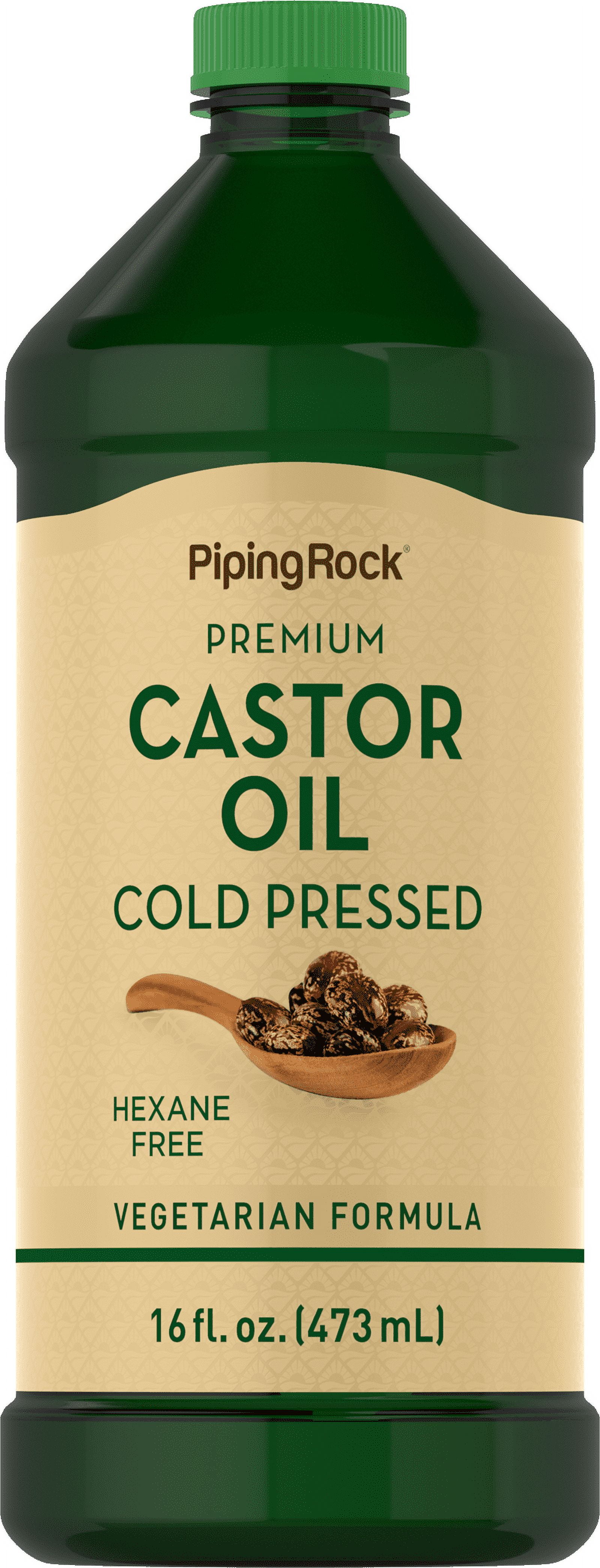
Ingredient lists can help you understand the feel and intended use of a hair oil. Castor oil is thick and often used sparingly or blended with lighter oils; coconut oil is popular for coating hair lengths, while jojoba oil has a lighter texture. Rosemary oil appears in many scalp-care blends, sometimes diluted in a carrier oil. Essential oils such as peppermint or tea tree may also be included, but concentrated essential oils can irritate skin and should not be applied undiluted. Other formulas feature amla, argan, olive, or vitamin E. Check whether a product is a pure oil, a pre-diluted blend, or a serum containing additional ingredients. Read the full ingredient list, follow label directions, and consider fragrance and known sensitivities before use, especially if your scalp is reactive.
- Compare carrier oils and botanical ingredients
- Check dilution and fragrance details
- Review ingredients for personal sensitivities
Choose a Formula for Your Hair and Scalp
Hair texture, scalp comfort, styling habits, and preferred finish all influence which hair growth oil may suit your routine. Fine or easily weighed-down hair may work better with a lightweight blend applied in small amounts, while coarse, curly, or coily hair may call for a richer oil on dry lengths or protective styles. If your scalp tends to feel oily, consider a lighter formula and less frequent application; a dry-feeling scalp may benefit from a carefully chosen oil used as directed. Look for packaging that allows controlled placement between parts without soaking the roots. Brands such as Mielle, Wild Growth, and Jamaican Mango & Lime offer recognizable examples of products in this category, but compare each specific formula rather than relying on brand name alone. Stop use if irritation occurs.
- Match oil weight to hair texture
- Consider scalp feel and styling needs
- Compare individual formulas, not just brands
Application, Routine, and Hair Care Compatibility
Use hair growth oil according to its label, since directions differ between leave-in scalp oils, pre-wash treatments, and products intended for hair lengths. For targeted scalp application, part the hair, place a small amount along the scalp, and massage gently with fingertips rather than scratching. Avoid applying more than needed; excess oil can leave buildup and may require additional cleansing. A pre-wash oil treatment can be shampooed out, while a leave-in product should be used only as directed. Consider compatibility with your existing shampoo, conditioner, styling cream, or protective-style routine, and introduce one new product at a time so you can notice how your scalp responds. Keep oil away from eyes and follow storage instructions. Persistent shedding, sudden hair loss, or scalp discomfort warrants advice from a qualified healthcare professional.
- Follow product-specific application directions
- Use modest amounts to limit buildup
- Introduce new products one at a time
Compare Hair Oil Features Before You Buy
Before choosing a hair growth oil, compare its ingredient list, texture, intended use, bottle size, applicator, and directions for frequency or rinsing. A dropper can help measure small amounts, while a pointed nozzle may make scalp application easier through dense hair. Check whether the product is designed for scalp massage, moisturizing hair lengths, or both; these purposes are not interchangeable for every formula. Consider scent, finish, and whether the oil may transfer onto bedding or clothing. If you prefer a simpler routine, a single-ingredient oil may be easier to assess; blended products can combine different textures and botanicals. Ubuy provides a place to explore international products and review their listed product details when comparing options. Keep expectations realistic: oils can support cosmetic care, but they are not a substitute for diagnosis or treatment of underlying hair or scalp concerns.
- Compare directions, applicators, and bottle size
- Check intended use and product texture
- Treat cosmetic claims with realistic expectations
Select the Right hair growth oil
A practical choice starts with your main goal: scalp massage, adding softness to dry lengths, or fitting an oil into a protective-style routine. Narrow options by hair texture and scalp sensitivity, then compare ingredients, consistency, fragrance, and application method. If you are new to oils, choose a product with clear directions and test a small amount on a limited area before regular use. Avoid assuming that a product will produce faster or fuller growth; hair growth patterns can be influenced by many factors, and marketing language is not a guarantee of results. Look for sensible packaging that supports controlled application and storage, and check whether the formula is intended to remain on the hair or be washed out. With Ubuy, you can explore hair growth oil options from international product listings and choose according to your preferences and routine.
- Start with your routine and hair needs
- Patch test and follow label instructions
- Choose based on formula, not promises