How Baby Car Seat Bases Work
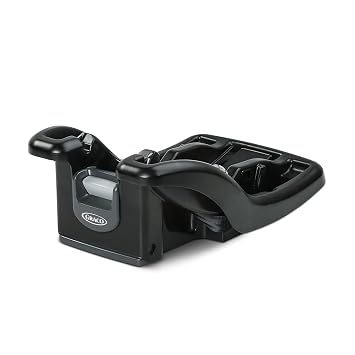
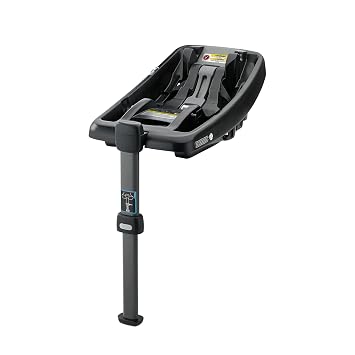
Baby car seat bases are designed to stay secured in a vehicle while a compatible infant carrier clicks in and out, making everyday transfers easier. Many families use a base with a rear-facing infant seat, then carry the child in the removable carrier without reinstalling the vehicle attachment each time. Product designs vary: some use a seat-belt installation, some connect to lower vehicle anchors, and some offer both methods. Features can include a recline adjustment, level indicator, load leg, or visual and audible installation cues. A base is not a universal accessory; its fit depends on the specific car seat model and vehicle seating position. On Ubuy, shoppers can discover international baby car seat bases and compare product details, model names, and included installation features before deciding which options suit their needs.
- Supports convenient in-and-out use with a compatible infant carrier
- Installation and adjustment features vary by model
- Always confirm car seat and vehicle compatibility
Compatibility, Fit, and Base Types
Compatibility is one of the most important considerations when comparing infant car seat bases. A base generally works only with specified seat models or a defined product family, even when two products share a brand name. Check the manufacturer's compatibility information and model numbers for both the carrier and base; do not assume that a similar-looking connector means they fit together. Some systems offer an additional base for a second vehicle, while others are sold as part of a travel system or infant seat bundle. Brands such as Chicco, Graco, Britax, Cybex, and Nuna offer distinct product ranges, so verify fit within the exact range rather than comparing by brand alone. Also check the base dimensions and the vehicle seating position, since seat contours and available space can affect installation and everyday access.
- Match exact model numbers, not just brand names
- Consider an extra base for another vehicle
- Check dimensions and seating-position fit
Installation Methods and Vehicle Fit
Baby car seat bases commonly attach using a vehicle seat belt, lower anchor connectors, or a choice of either method. The correct installation method depends on the specific base, the vehicle's seating position, and the instructions for both products. Some bases include a belt lock-off to help secure a seat-belt installation, while lower anchor connectors may make attachment and removal more convenient. Indicators or adjustment mechanisms can help caregivers check the base's position, but they do not replace careful installation according to the manuals. Before buying, consider how the base will fit alongside other seats and whether the vehicle seat shape, belt path, or anchor access could make setup difficult. Ubuy provides a place to explore different base designs and features; review the product specifications and confirm vehicle fit before use.
- Choose an approved installation method for the specific setup
- Review vehicle seating-position requirements
- Use both product manuals during installation
Safety Features and Everyday Use
A well-matched base helps create a stable connection between the vehicle and a compatible infant carrier. Depending on the model, useful features may include a support leg, an adjustable recline, a level indicator, or indicators that signal when the carrier is attached. These details can make setup easier to check, but no single feature makes a base suitable for every vehicle or guarantees correct installation. Check the manufacturer's instructions for the intended use of each component and inspect the base and carrier before travel. Families who move the carrier frequently may value a straightforward release mechanism, while caregivers sharing a vehicle may prioritize clear indicators and accessible adjustments. Product terminology such as load leg, anti-rebound feature, and seat-belt lock-off describes specific design elements; compare those features against your needs and the exact compatibility guidance.
- Compare recline, indicators, and connection features
- A feature does not replace correct installation
- Consider ease of release for frequent transfers
Care, Accessories, and Replacement Considerations
Regular checks can help keep a baby car seat base ready for use. Follow the manufacturer's cleaning directions, since harsh cleaners or unapproved lubricants may affect materials or moving parts. Keep the belt path, connectors, and adjustment areas free of debris, and check for damage or missing components. Use only accessories explicitly approved for the particular car seat system; third-party inserts or add-ons may interfere with fit or operation. If a base is involved in a vehicle collision, has visible damage, or is missing its labels or instructions, consult the manufacturer for guidance rather than relying on appearance alone. When shopping for a replacement base, confirm that its model matches the existing carrier and check whether installation parts or guides are included. Ubuy can help shoppers discover international product options and compare listed specifications and accessories.
- Follow model-specific cleaning and care instructions
- Use only accessories approved for the system
- Check replacement-base compatibility carefully
Select the Right baby car seat bases
Start by identifying the exact infant carrier model, then look for a base that the manufacturer lists as compatible. Consider how many vehicles or caregivers will use the system, whether a second base would simplify transfers, and which installation method works for the intended seating position. Compare dimensions, adjustment range, recline indicators, connector design, and any features such as a load leg or belt lock-off. Read the product documentation to understand what is included and how the base should be installed, used, and maintained. If a vehicle has limited space or unusual seat contours, check fit before relying on a particular setup. Comparing these practical details helps narrow the choices to a base that suits the carrier, vehicle, and routine, rather than choosing solely by appearance or a single feature.
- Verify carrier compatibility first
- Compare installation needs and useful adjustments
- Choose for your vehicle and daily routine