Automobile Brake and Tail Light Assembly Types
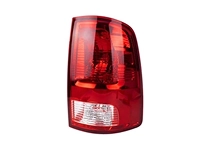
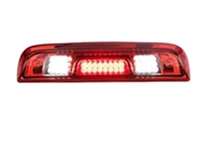
Automobile brake and tail light assemblies help make a vehicle visible and communicate a driver's actions to others. Tail lamps illuminate when the vehicle's exterior lights are on, while brake lights brighten when the driver applies the brakes. Many rear lamp units combine these functions with turn signals, reverse lights, reflectors, and side markers in one housing. Common options include complete left- or right-side assemblies, center high-mounted stop lamps, replacement lenses, and individual bulbs or LED modules. Some vehicles use separate lamps for each function, while others have integrated multi-function units. Understanding which layout your vehicle uses helps narrow a search and avoid ordering the wrong part. These components are used for everyday driving, repairs after damage, and restorations where a complete rear lighting setup needs to be replaced.
- Combined and separate rear lamp designs
- Brake, tail, turn, and reverse lighting
- Complete assemblies and individual components
Lighting Technologies, Features, and Construction
Brake and tail light parts are available with incandescent bulbs, halogen bulbs, or light-emitting diode (LED) technology. Incandescent and halogen designs use replaceable bulbs, while many LED assemblies use integrated light sources; check the product details to confirm whether a bulb or module can be changed separately. Lens color, reflector layout, light pattern, and connector style can also differ between assemblies. Housings are commonly made from molded plastics, with sealed joints intended to help keep out moisture and road debris. A direct-fit replacement may be designed to match the original mounting points and electrical connection, whereas a custom-style lamp may change the appearance or lighting configuration. Brands such as HELLA, Valeo, and Philips are recognized across automotive lighting; compare each listing's specifications rather than assuming parts are interchangeable.
- Incandescent, halogen, and LED options
- Compare lens, housing, and connector details
- Check whether light sources are replaceable
Assemblies, Replacement Parts, and Accessories
A complete tail light assembly typically includes a housing and lens, and may include bulbs, sockets, wiring, or a mounting gasket depending on the product. Replacement lenses, bulb holders, pigtail connectors, wiring harnesses, seals, and fasteners can help address a specific fault without replacing the entire unit. For LED lamps, the relevant replacement may be a complete assembly or a compatible circuit module rather than a conventional bulb. Inspect what is included before purchase, especially when replacing a damaged lamp after a collision or restoring an older vehicle. Keep the original assembly available for comparison, and review the required tools and installation steps. Ubuy can be used to discover international automotive lighting products and related parts; check each listing carefully for package contents, specifications, and fitment information before choosing.
- Complete units and individual repair parts
- Check included bulbs, seals, and connectors
- Compare package contents before ordering
Vehicle Fitment and Electrical Compatibility
Correct fitment depends on more than a vehicle's make and model. Model year, body style, trim, market specification, and production details can affect the shape of a lamp, its mounting points, connector, and lighting functions. Left-hand and right-hand assemblies are distinct, and some vehicles use different parts for outer quarter-panel lamps and inner trunk or tailgate lamps. Compare the product's stated fitment with your vehicle identification details and the original part number where available. Electrical compatibility matters too: verify voltage, connector pin arrangement, bulb type, and whether the vehicle requires a particular LED configuration. Avoid relying on appearance alone, since similar-looking units may not connect or function correctly. If fitment information is unclear, consult a qualified parts professional or technician before purchasing or beginning installation.
- Match year, trim, body style, and side
- Verify connector, voltage, and bulb type
- Compare original part numbers when available
Buying Considerations for Everyday Repairs
Start by identifying the problem: a cracked lens, failed brake light, water intrusion, damaged wiring, or a complete nonworking assembly may call for different parts. Check whether a replacement is sold individually or as a pair, and confirm if bulbs, sockets, seals, and mounting hardware are included. For routine repairs, a factory-style direct-fit lamp can preserve the vehicle's original appearance; custom or smoked designs may require closer attention to visibility, wiring, and vehicle requirements. Read product specifications for dimensions, connector details, lighting technology, and installation method. When browsing Ubuy, compare international automotive lighting listings using the vehicle details and product information, rather than choosing on appearance alone. Keep the removed part and packaging details nearby so you can cross-check identification and clarify any compatibility questions before fitting the replacement.
- Identify the fault before selecting parts
- Confirm individual or pair packaging
- Review specifications and installation needs
Select the Right automobile brake tail light assemblies parts accessories
Choose an assembly that matches your vehicle's exact fitment, required lighting functions, and preferred technology. Confirm whether the part is for the left or right side, whether it serves the trunk, tailgate, or body panel, and whether it includes the necessary bulbs, connectors, seals, and hardware. For an LED replacement, check how the light source is serviced; for bulb-based units, match the specified bulb type. After installation, test the tail lamps, brake lights, turn signals, hazard lights, and reverse lights with another person or a safe reflective surface. Keep lenses clean and inspect them periodically for cracks, loose connections, condensation, or corrosion. Follow the vehicle maker's service guidance, and seek professional help if wiring, warning indicators, or lighting operation remain abnormal. Careful selection supports a functional repair and dependable visibility.
- Confirm exact vehicle and side fitment
- Test every rear lighting function
- Inspect lenses, seals, and connections